
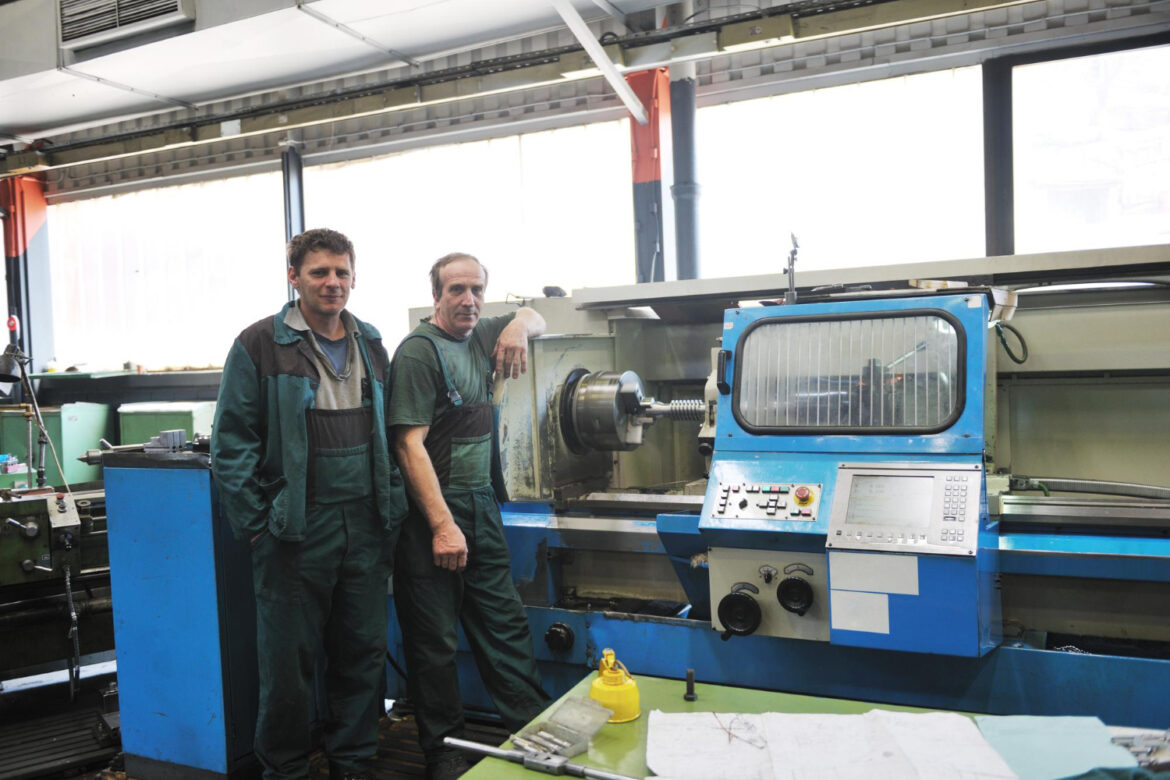
Manufacturing is a vital sector of the economy that plays a crucial role in creating jobs and driving innovation. However, one of the biggest challenges facing the manufacturing industry today is the skills gap. This gap refers to the disparity between the skills that employers need and the skills that job seekers possess.
The manufacturing industry is constantly evolving, with new technologies and processes being introduced at a rapid pace. Unfortunately, many workers in the industry do not have the necessary skills to keep up with these changes. This has led to a shortage of qualified candidates for manufacturing jobs, making it difficult for companies to find the skilled workers they need to remain competitive.
There are several factors that have contributed to the skills gap in manufacturing. One of the main reasons is the lack of emphasis on technical and vocational education in schools. Many students are not exposed to opportunities in manufacturing and are not aware of the lucrative and rewarding career paths available in the industry.
Another factor is the misconception that manufacturing jobs are dirty, low-paying, and unskilled. In reality, today’s manufacturing jobs are high-tech, well-paying, and require advanced technical skills. However, this perception has deterred many individuals from pursuing careers in manufacturing.
To address the skills gap in manufacturing, it is essential for the industry to invest in training and development programs for both current and future employees. This could include partnering with educational institutions to offer specialized training programs, apprenticeships, and internships that teach the necessary skills for modern manufacturing roles.
Additionally, companies can implement upskilling initiatives to help current employees develop the skills needed to succeed in the industry. This could involve providing opportunities for on-the-job training, continuing education programs, and access to online courses and certifications.
Furthermore, it is important for manufacturing companies to adopt a proactive approach to recruiting and retaining talent. This could involve offering competitive salaries, benefits, and advancement opportunities to attract and retain skilled workers.
In conclusion, the skills gap in manufacturing is a significant challenge that must be addressed in order for the industry to remain competitive and thrive in the future. By investing in training and development programs, changing perceptions about manufacturing careers, and adopting proactive recruitment and retention strategies, the industry can bridge the skills gap and ensure a skilled workforce for years to come.